Hiking in Sedona: The Ultimate Red Rock Travel Guide
Sedona is a place where the earth glows in shades of crimson and the trails invite you to explore something deeper than just the landscape. This guide covers the best hiking in sedona, from hidden “subway” caves to iconic sandstone arches, ensuring your next adventure into Arizona nature is truly unforgettable.
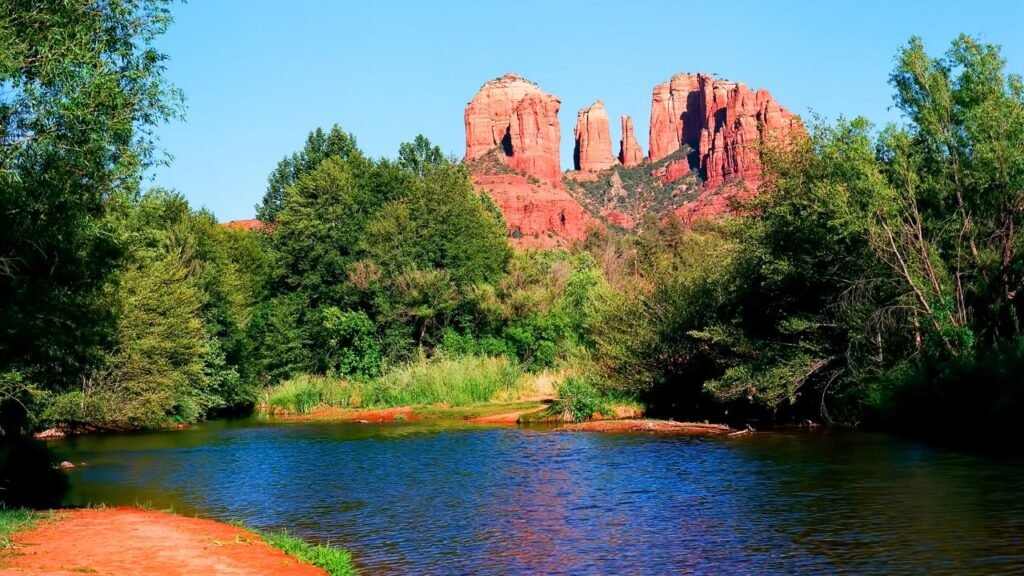
The Best Hikes in Sedona AZ for Iconic Views
If you are looking for that quintessential Sedona Arizona travel inspiration, you have to start with the classics. These trails offer the most recognizable landmarks in the region and are staples of any Sedona travel itinerary.
Devil’s Bridge
As arguably the most famous Arizona hike, Devil’s Bridge leads you to the largest natural sandstone arch in the area. The trail is about 4.2 miles round trip and is relatively easy until the final climb, which requires a short rock scramble. To beat the crowds and secure a photo on the bridge without a “Disneyland-like” line, plan to arrive well before sunrise.
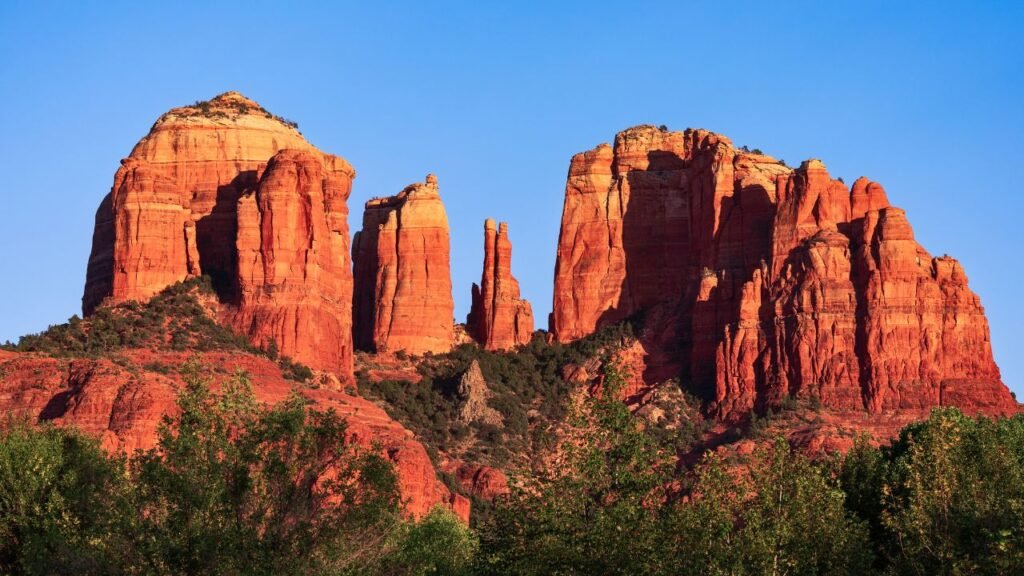
Cathedral Rock
For many, Cathedral Rock is the heart of hiking in Sedona. This 1.2-mile round-trip trek is short but strenuous, involving steep sections where you’ll need to use your hands to scramble up the slickrock. The reward at the “End of Trail” sign is a breathtaking view of the valley that glows a fiery orange during sunset. It is also famous for being one of the region’s primary vortex sites.
Bell Rock Pathway
If you prefer a more leisurely experience among the Sedona Arizona Red Rock Mountains, the Bell Rock Pathway is a perfect choice. This 3.6-mile round-trip trail is wide, flat, and well-maintained, making it ideal for families and beginner hikers. You can admire the massive Bell Rock and Courthouse Butte formations from below or choose to scramble up the base of Bell Rock for a closer look.
Discovering Hidden Gems: Sedona Red Rocks Hiking
While the icons are a must, some of the best Sedona hiking trails are the ones that lead you slightly off the beaten path into the quiet of the high desert.
Soldier Pass and the Seven Sacred Pools
Soldier Pass offers a variety of geological surprises in a 4.5-mile loop. Along the way, you’ll encounter the Devil’s Kitchen—a massive active sinkhole—and the Seven Sacred Pools, which are natural potholes carved into the sandstone that reflect the sky beautifully after a rainfall. For an extra adventure, look for the spur trail that leads up into the hidden Soldier Pass caves.
Boynton Canyon and the Subway Cave
This 6.1-mile round-trip trail showcases the diversity of Arizona nature, moving from open desert into a shaded, lush forest. The highlight for many is the “secret” Subway Cave (or “Secret Cave”). It isn’t officially marked, but a distinctive alligator juniper tree about two miles in marks the turnoff toward a steep scramble into a massive, curved rock opening that frames the canyon perfectly.
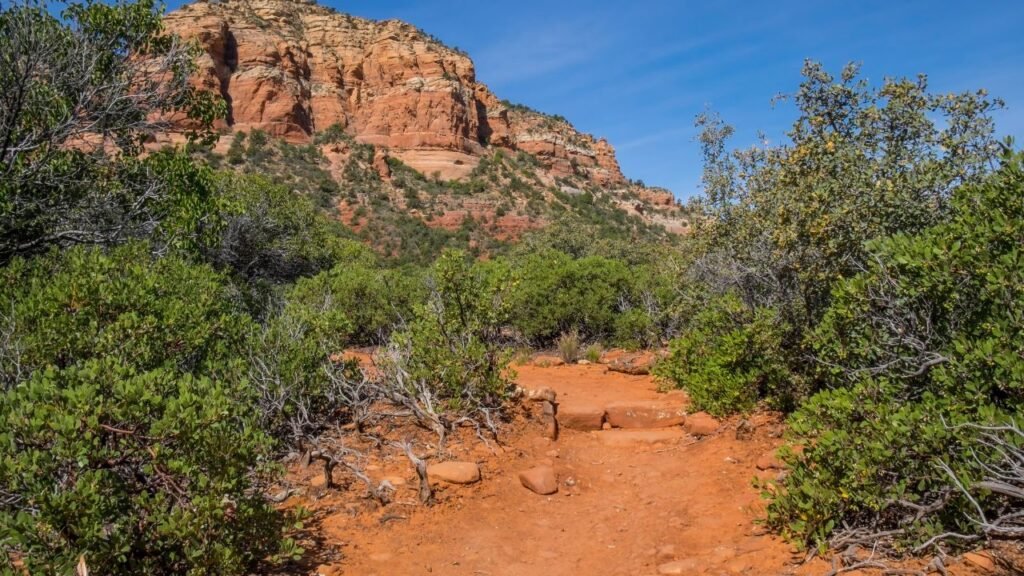
The Birthing Cave
For a high-reward, low-effort experience, the Birthing Cave is a 2-mile round-trip hike that leads to a stunning crescent-shaped formation carved into the cliffs. It provides sweeping panoramic views of the desert and is particularly magical at sunrise when the light illuminates the red walls.
Shady Escapes and Arizona Desert Hikes
When the sun is high, or if you are planning Spring Hiking In Arizona, finding shade becomes a priority. Sedona offers unique riparian environments that contrast beautifully with the arid mesas.
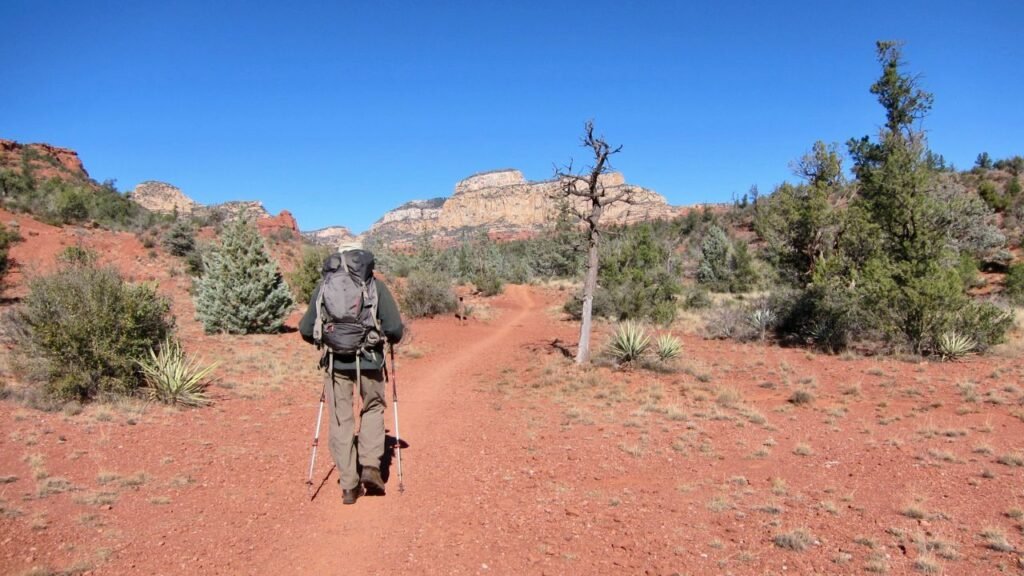
- West Fork Trail: Located in Oak Creek Canyon, this 7-mile out-and-back trail is a local favorite for its 13 creek crossings and towering canyon walls that provide ample shade. It is especially popular for Arizona in November when the autumn leaves turn vibrant shades of yellow and orange.
- Fay Canyon: This 2.2-mile easy trail meanders through a wooded ravine, offering shade that is hard to find on other Arizona desert hikes. Don’t miss the short, steep side trail that leads to the Fay Canyon Arch, a natural bridge with a 130-foot span.
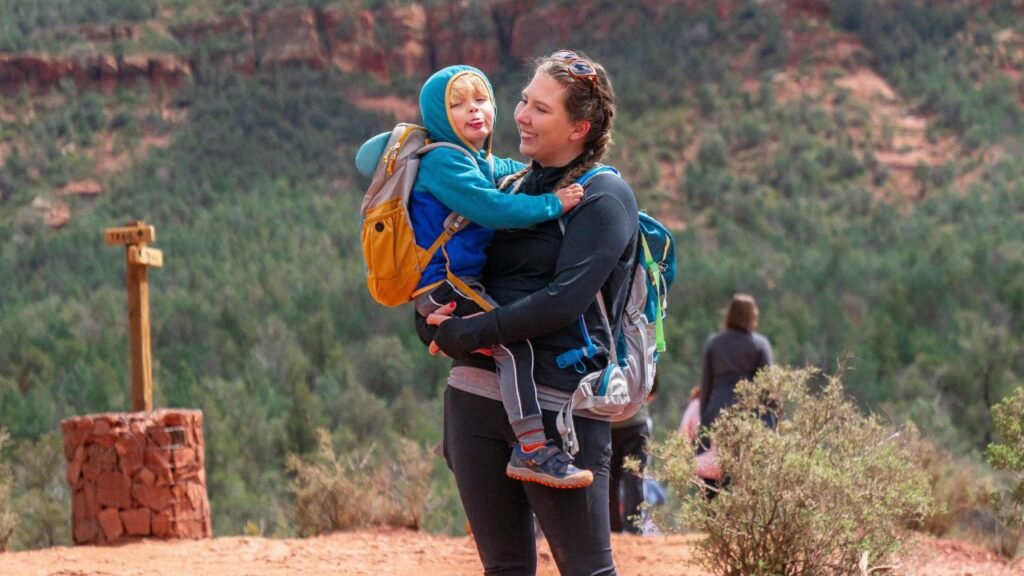
- Doe Mountain: If you want 360-degree views without the massive crowds of the “National Park” style trails, Doe Mountain is a 1.5-mile climb to a flat mesa top. It’s a fantastic spot for a picnic or for watching hot air balloons drift over the valley at dawn.
Planning Your Sedona Travel Itinerary
To make the most of your Sedona Arizona travel, logistics are key. The area receives millions of visitors annually, so a little preparation goes a long way.
Transportation and Parking
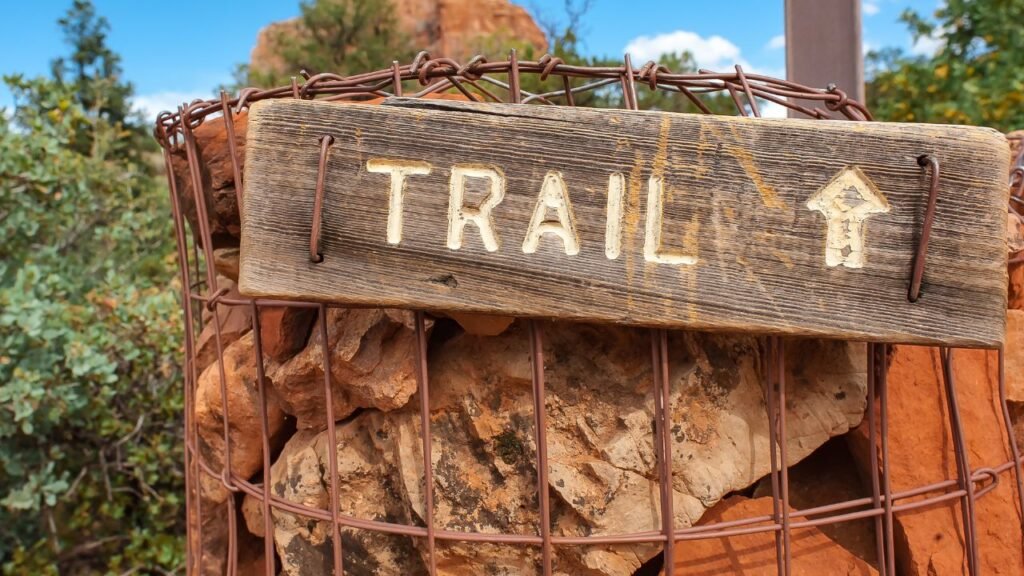
Parking at popular trailheads is notoriously difficult and lots often fill up before sunrise. To solve this, utilize the Sedona Shuttle, a free park-and-ride service that runs Thursday through Sunday to some of the most popular trailheads like Cathedral Rock and Soldier Pass. If you prefer more flexibility, consider Sedona Arizona City e-bike rentals, which allow you to bypass traffic and parking hassles while enjoying the scenic parkways up close.
Permits and Fees
Most trailheads within the National Forest require you to display a Red Rock Pass in your windshield. These can be purchased as a daily (5),weekly(15), or annual ($20) pass at visitor centers, local vendors, or automated machines at many trailheads. Note that some specific locations, like West Fork, may have separate day-use fees.