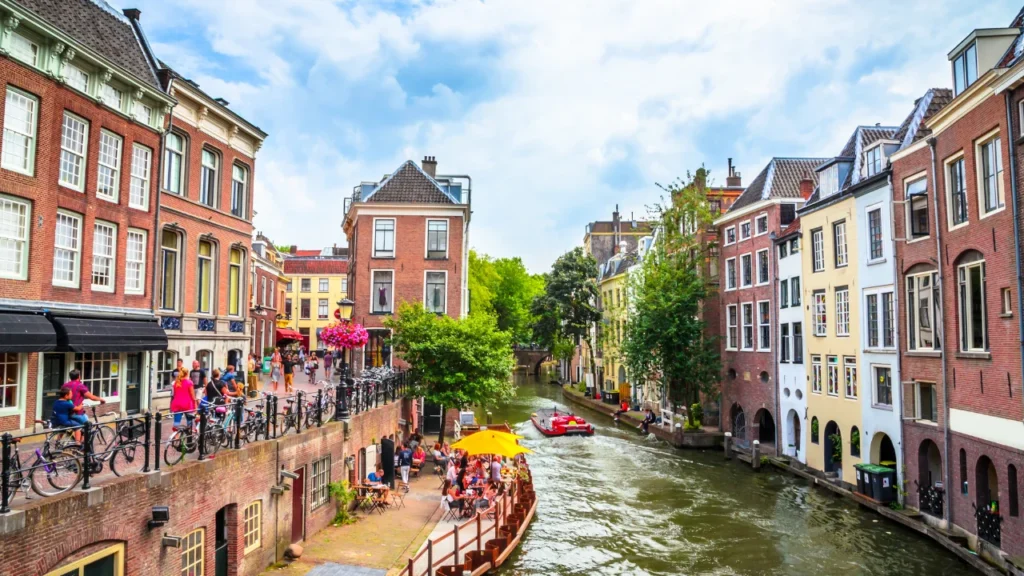
Many travelers dream of exploring the Netherlands, picturing vibrant tulip fields, historic windmills, and romantic canals. Yet, the vast majority of visitors never leave the crowded streets of Amsterdam. While the capital is spectacular, the true heart of Dutch culture, history, and natural beauty lies in the surrounding countryside and smaller historic towns.
This small but fascinating country is an engineering marvel. A third of the Netherlands lies below sea level, making it one of the flattest nations on earth. For centuries, the Dutch have been pioneers in sophisticated water management, utilizing an intricate system of dikes, dams, and floodgates to literally keep their country afloat. They are also a nation that moves on two wheels, boasting over 22 million bicycles for a population of just 17 million.
If you want to experience the authentic soul of the country, you need to step away from the capital. Here is your strategic guide to the best places to visit in the Netherlands, featuring seven incredible destinations that offer a deeper, more rewarding travel narrative.
1. Giethoorn: The Roadless Village of Canals
Imagine a village so quiet that the loudest sound you hear is a duck quacking or the gentle splash of water against a wooden hull. Welcome to Giethoorn, famously known as the “Venice of the North”. What makes Giethoorn truly exceptional is its complete lack of roads in the village center.
Transport here is strictly done on foot, by bicycle, or by navigating the waterways. To experience this properly, you must book a Giethoorn boat tour. Locals and visitors navigate the pristine canals using “whisper boats”—small, electric-powered vessels that are nearly silent, perfectly preserving the deep tranquility of the environment.
As you glide through the water, you will pass beautifully preserved thatched-roof farmhouses, many dating back to the 18th century. The village is delicately knitted together by more than 150 wooden bridges, creating a landscape that feels lifted directly from a fairytale. Situated within the De Weerribben-Wieden National Park, one of the most important wetlands in Europe, Giethoorn offers an unmatched, serene escape into nature.
2. Kinderdijk: A Masterclass in Human Engineering
To understand the Netherlands, you must understand its relationship with water. Nowhere is this historical battle against the sea more beautifully illustrated than at Kinderdijk. Recognized as a UNESCO World Heritage site since 1997, Kinderdijk features 19 exceptionally well-preserved windmills built in the 18th century.
These towering structures were not built to grind grain; they were engineered to manage water levels and prevent catastrophic flooding. This area is a living showcase of the innovative Dutch water management system, utilizing a brilliant network of canals, dikes, and pumping stations. Many of these magnificent windmills remain fully operational today.
A Kinderdijk windmills UNESCO visit provides a profound look into the resilience of the Dutch people. You can take boat tours along the canals to gain a close-up perspective of the massive turning blades against the open sky, an experience especially breathtaking at sunrise or sunset. Be sure to stop by the visitor center for interactive exhibits detailing the sheer genius of this ancient technology.
3. Zaanse Schans: Walking Through a 17th-Century Painting
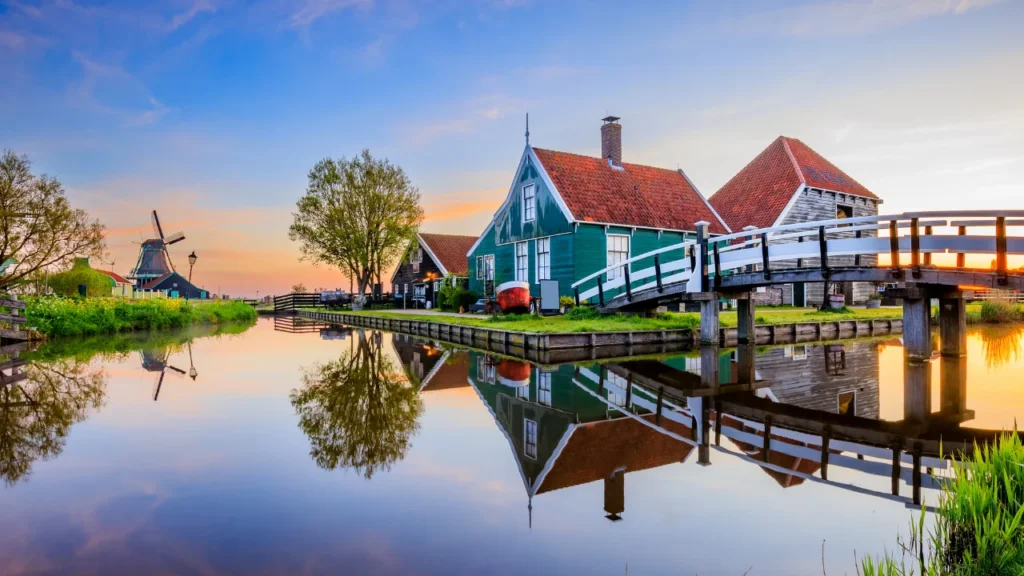
If you are looking for the quintessential Dutch postcard experience, a Zaanse Schans day trip delivers it flawlessly. Located just a short distance from the capital, Zaanse Schans is essentially a living, open-air museum.
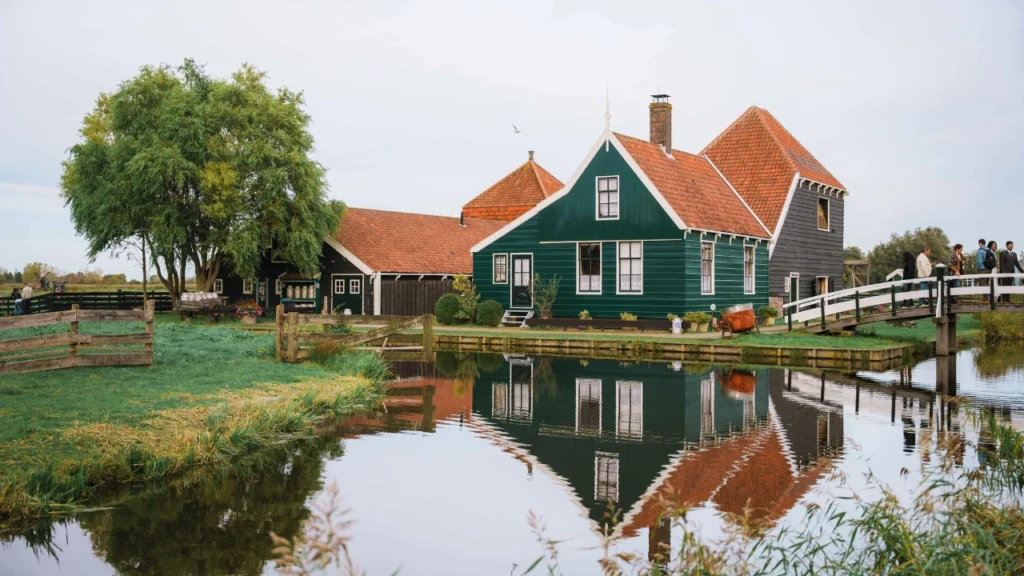
During the 17th century, the broader Zaan district served as one of the world’s very first industrial areas. Today, the village meticulously preserves that rich cultural heritage with traditional green-painted wooden houses, historic barns, and working windmills that once ground spices, sawed wood, and pressed oil.
The storytelling here is interactive and sensory. You can step into a traditional clog workshop to watch skilled artisans carve wooden shoes entirely by hand. Down the path, the scent of fresh baking pulls you toward the bakery museum, where traditional Dutch pastries are made. Finish your afternoon at the local cheese farm to sample rich, authentic Dutch cheeses, immersing yourself completely in the historic flavors of the region.
4. Keukenhof Gardens: The Greatest Floral Show on Earth
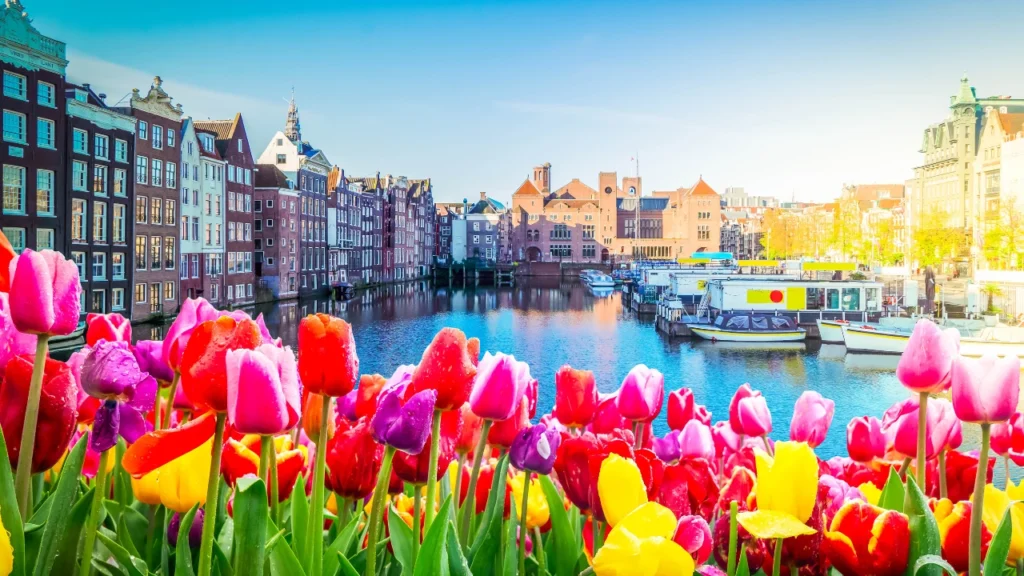
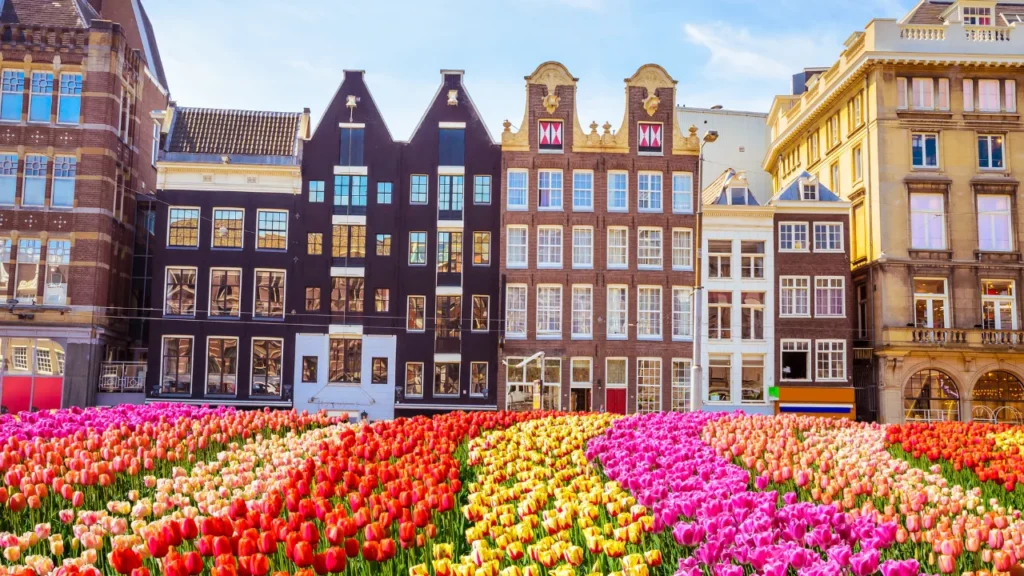
The Netherlands is the undisputed floral capital of the world, acting as the largest producer and exporter of tulips, churning out over 4 billion bulbs annually. To witness this industry in its most breathtaking form, you must visit the Keukenhof Gardens.
Spanning an enormous 79 acres, Keukenhof is officially the largest flower garden in the world. It is a fleeting, seasonal masterpiece, open only for a few short weeks each spring, typically from late March to mid-May. During this brief window, the gardens erupt into a kaleidoscope of color, drawing over 1.5 million visitors.
Approximately 7 million flower bulbs are planted here every single year. While tulips are the undeniable star of the show, the winding paths and serene water features are also framed by vibrant hyacinths, daffodils, roses, and orchids. Interestingly, this massive site originated in the 15th century as a simple kitchen garden providing herbs and vegetables for a local castle. Today, utilizing organic bulbs and eco-friendly techniques, it stands as the ultimate celebration of nature’s beauty.
5. Delft: The City of Vermeer and Blue Porcelain
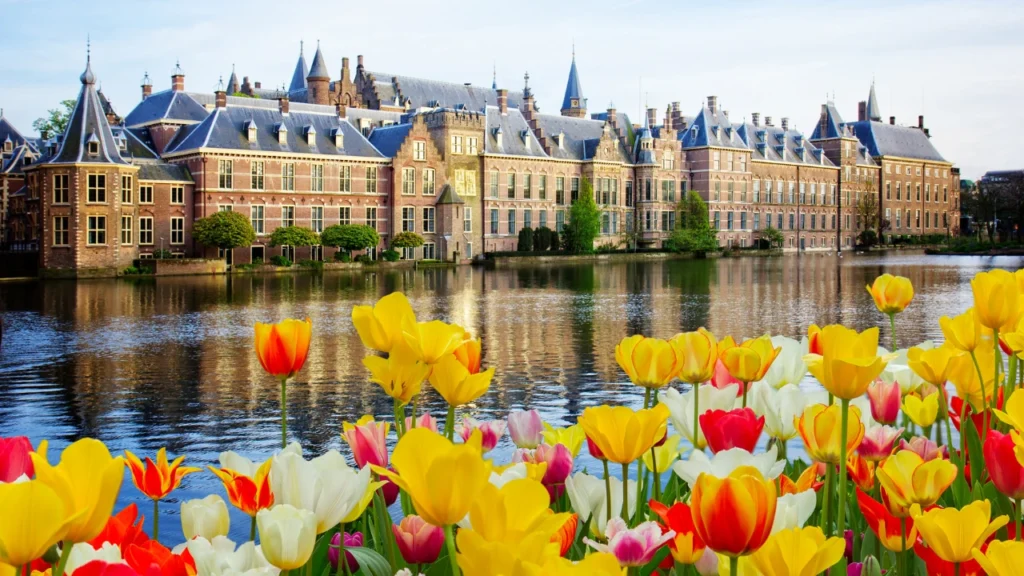
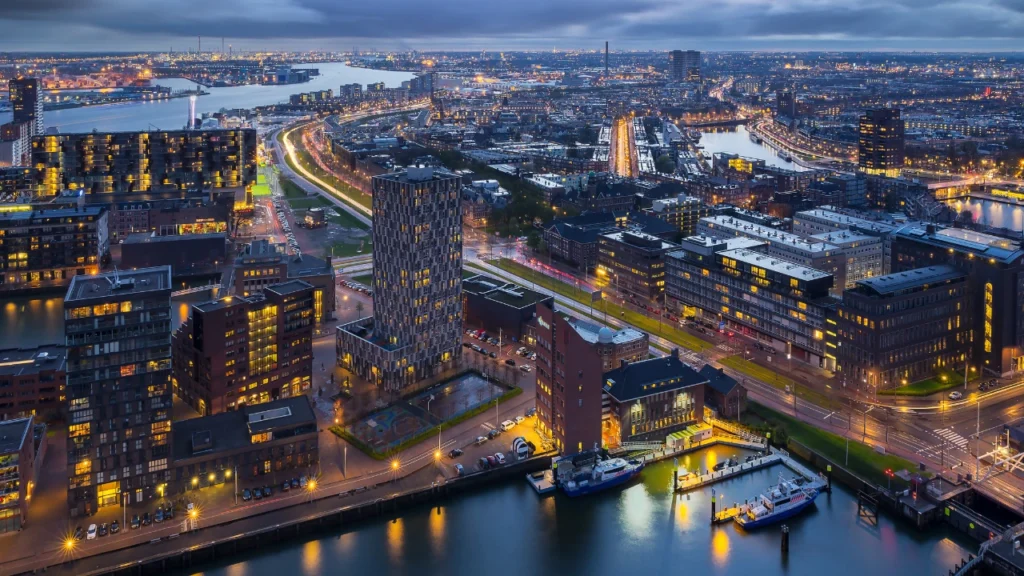
Crisscrossed by tree-lined canals, the charming city of Delft offers the romantic aesthetic of Amsterdam but without the overwhelming crowds. Delft is globally celebrated for its iconic blue and white pottery, famously known as Delft blue pottery (or Delftware), which has been meticulously produced here since the 17th century.
A visit to the Royal Delft experience allows you to watch master craftsmen hand-paint intricate designs onto porcelain, preserving a centuries-old tradition. But Delft’s cultural weight extends far beyond ceramics. It is the hometown of the legendary painter Johannes Vermeer, whose masterpiece Girl With a Pearl Earring was directly inspired by the soft, scenic light of these exact streets.
The city is anchored by its massive Central Market Square, one of the largest in Europe, flanked by the historic City Hall and the soaring New Church (Nieuwe Kerk), which houses the burial vault of the Dutch Royal Family. A short walk away stands the Old Church (Oude Kerk), famous for its dramatic leaning tower.
6. Leiden: The Intellectual Heart of the Nation
Leiden is a city that breathes history. It is home to Leiden University, the oldest university in the Netherlands, founded in 1575 by William of Orange. This prestigious academic environment has shaped the city into an intellectual and cultural powerhouse for centuries.
In 1606, the world-renowned painter Rembrandt van Rijn was born in Leiden, and the city still honors his legacy through various dedicated landmarks. Known historically as the “City of Books,” Leiden also served as a refuge for the Pilgrim fathers, who lived here for 11 years before making their famous voyage to America.
Take a peaceful walk through the Hortus botanicus; founded in 1590, it is one of the oldest botanical gardens in the world. For a panoramic view of the city’s charming rooftops, climb the Burcht van Leiden, a remarkably preserved 12th-century medieval fortress sitting perfectly in the city center.
7. Haarlem: Breweries, Organs, and Hidden Courtyards
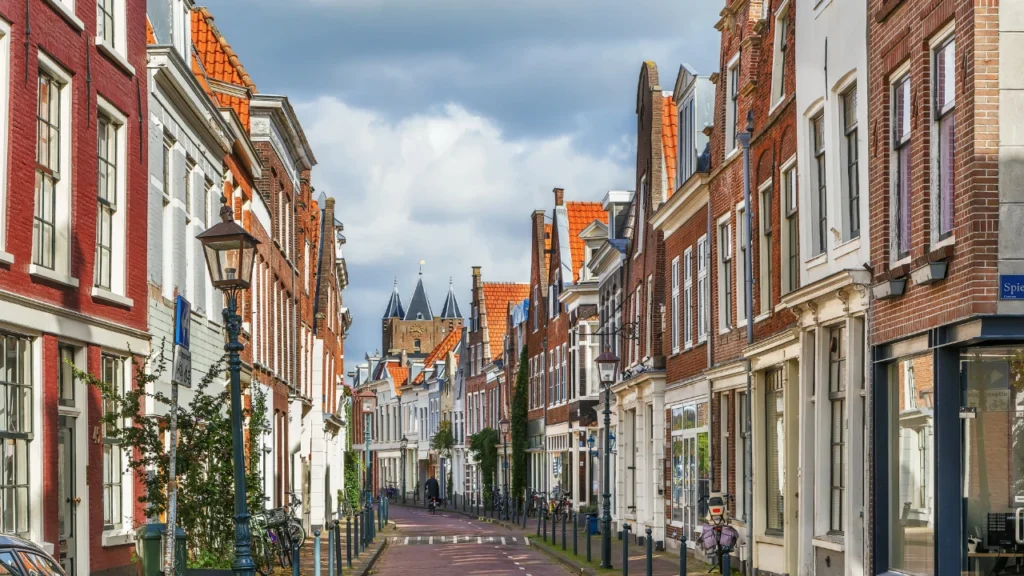
Just a short, incredibly scenic train ride from the capital sits Haarlem, a picturesque city that captures the golden age of Dutch wealth and culture.
Start your journey at the Teylers Museum. Established in 1778, it is the oldest museum in the Netherlands, offering a fascinating, eclectic collection where fine art collides directly with natural history and antique scientific instruments. From there, look up to find the towering Grote Kerk (St. Bavo), a grand 14th-century Gothic church dominating the skyline. Inside sits the spectacular Müller organ, an instrument so magnificent it was once played by a young Mozart.
Haarlem rewards the curious wanderer. Slip away from the main squares to discover the “hofjes”—serene, hidden courtyards surrounded by historic almshouses dating back to the Middle Ages. Walk through the Amsterdamse Poort, the only surviving 14th-century city gate of the original twelve. Finally, reward yourself at the Jopen Brewery. Housed inside a converted former church, it brilliantly combines Haarlem’s centuries-old brewing traditions with modern craft tastes.
Conclusion: Chart Your Own Course
The Netherlands is so much more than a single city. It is an intricate, water-woven tapestry of brilliant engineering, profound art, and quiet, stubborn resilience.
By looking beyond the traditional tourist traps, you unlock the true value of travel. Whether you are stepping silently onto a whisper boat in Giethoorn, staring up at the massive wooden gears of a Kinderdijk windmill, or sipping a local craft beer inside a converted church in Haarlem, the Dutch countryside offers rewards that are impossible to find in a crowded capital.
Are you ready to trade the familiar path for a true Dutch adventure? Pack your bags, rent a bicycle, and let the canals guide you.